Have you ever finished a book and wished you had someone to discuss it with?
That is exactly the idea behind the Conversations Littéraires. Reading in a group transforms the experience. A novel is no longer a solitary journey but a shared exploration, where each reader brings a different perspective and every discussion reveals something new in the text.
This year, our Conversations Littéraires book club brought together passionate readers from B2 to C2 level to explore contemporary Francophone literature. Together, we travelled from the Republic of the Congo to Innu territory in Canada, from France to Syria and Libya, discovering a remarkable variety of voices, cultures, and literary styles.
Through these books, we explored themes of identity, memory, belonging, history, and the many ways literature helps us understand the French-speaking world.
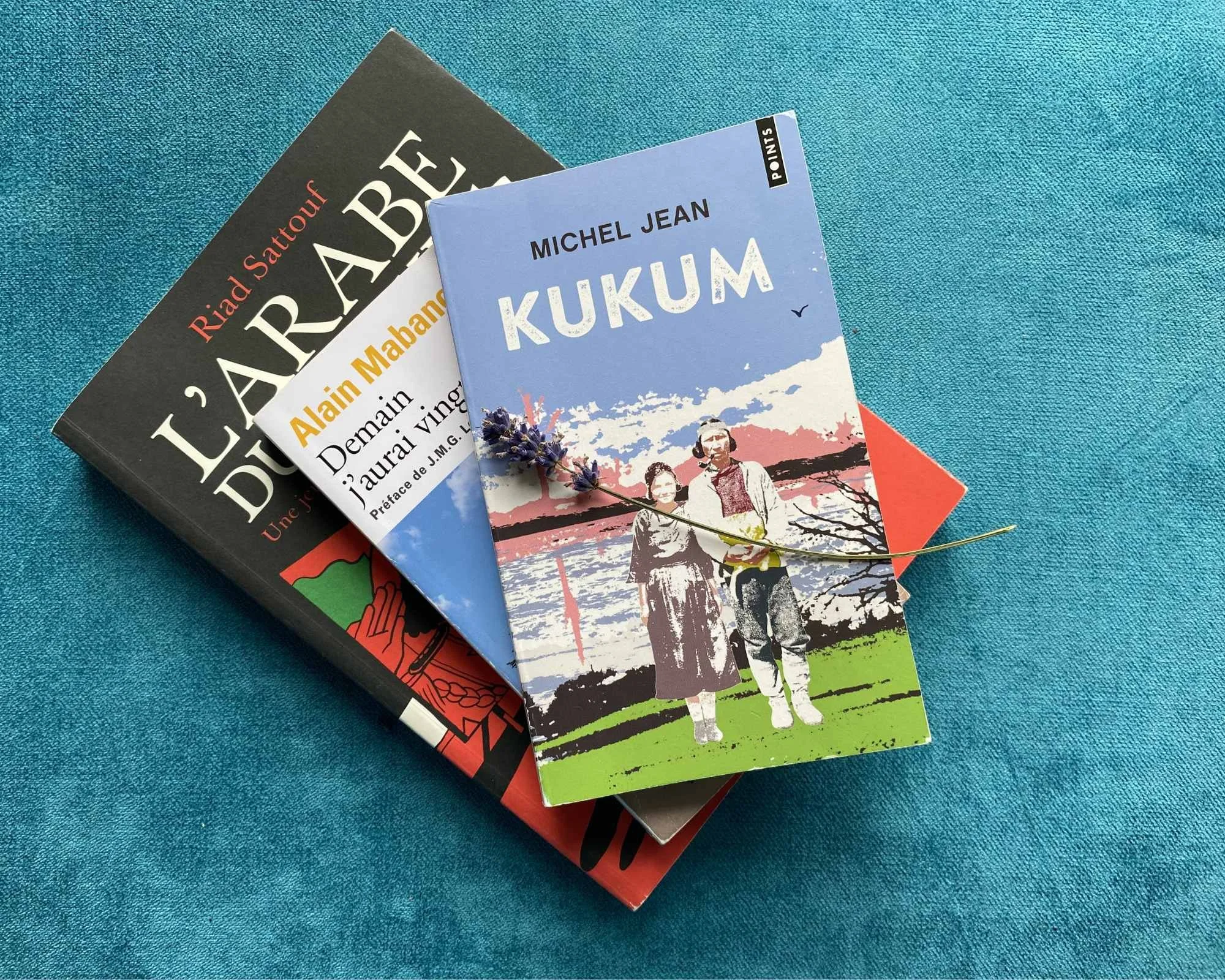
Among all the books we read this year, three clearly stood out. They were the ones that stayed with us the longest, that came back repeatedly in conversation, and that generated the richest discussions.
The three books that marked our year
Demain j’aurai vingt ans d’Alain Mabanckou
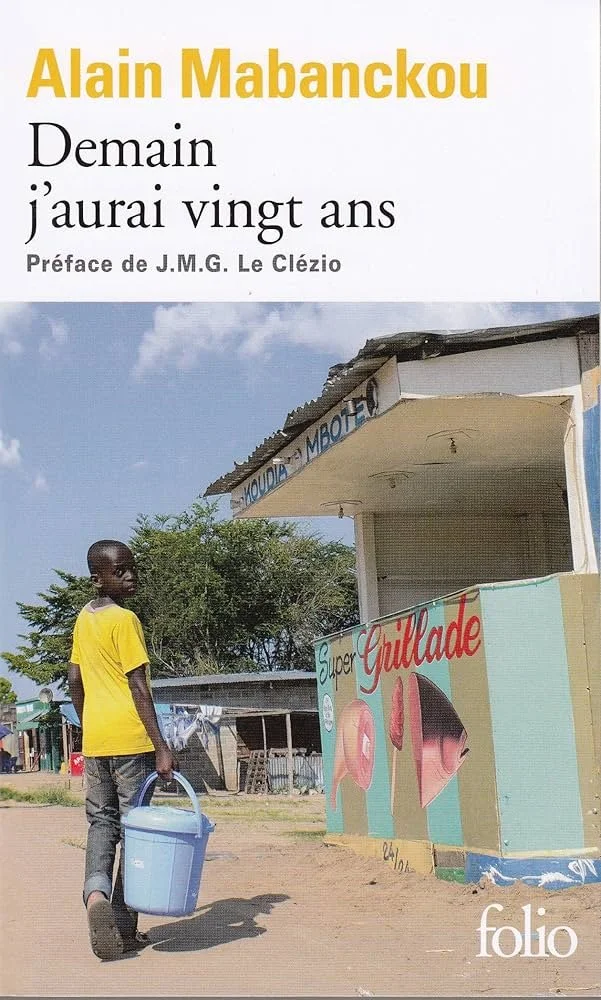
"Moi je me sens enfant de Pointe-Noire. C'est ici que j'ai appris à marcher, à parler. C'est ici que j'ai vu pour la première fois la pluie tomber, et on est originaire de l'endroit où on a reçu les premières gouttes de pluie."
This novel was one of the most appreciated books of the year, particularly because it allows readers to discover Congo-Brazzaville in the 1970s through the eyes of a ten-year-old child.
What makes this book so fascinating is the contrast between the simplicity of the narrator’s voice and the richness of what lies beneath the surface. We follow the daily life of a child in Pointe-Noire, his family, his friendships, and his observations of the world around him. Yet, through his perspective, the reader gradually discovers a much wider historical and political context.
Alain Mabanckou’s novel is filled with political references and intertextual echoes, but they appear naturally through the eyes of a child who does not always fully understand their meaning. This creates a very particular reading experience: the adult reader perceives layers that the young narrator cannot yet see.
Level: B2
Kukum de Michel Jean
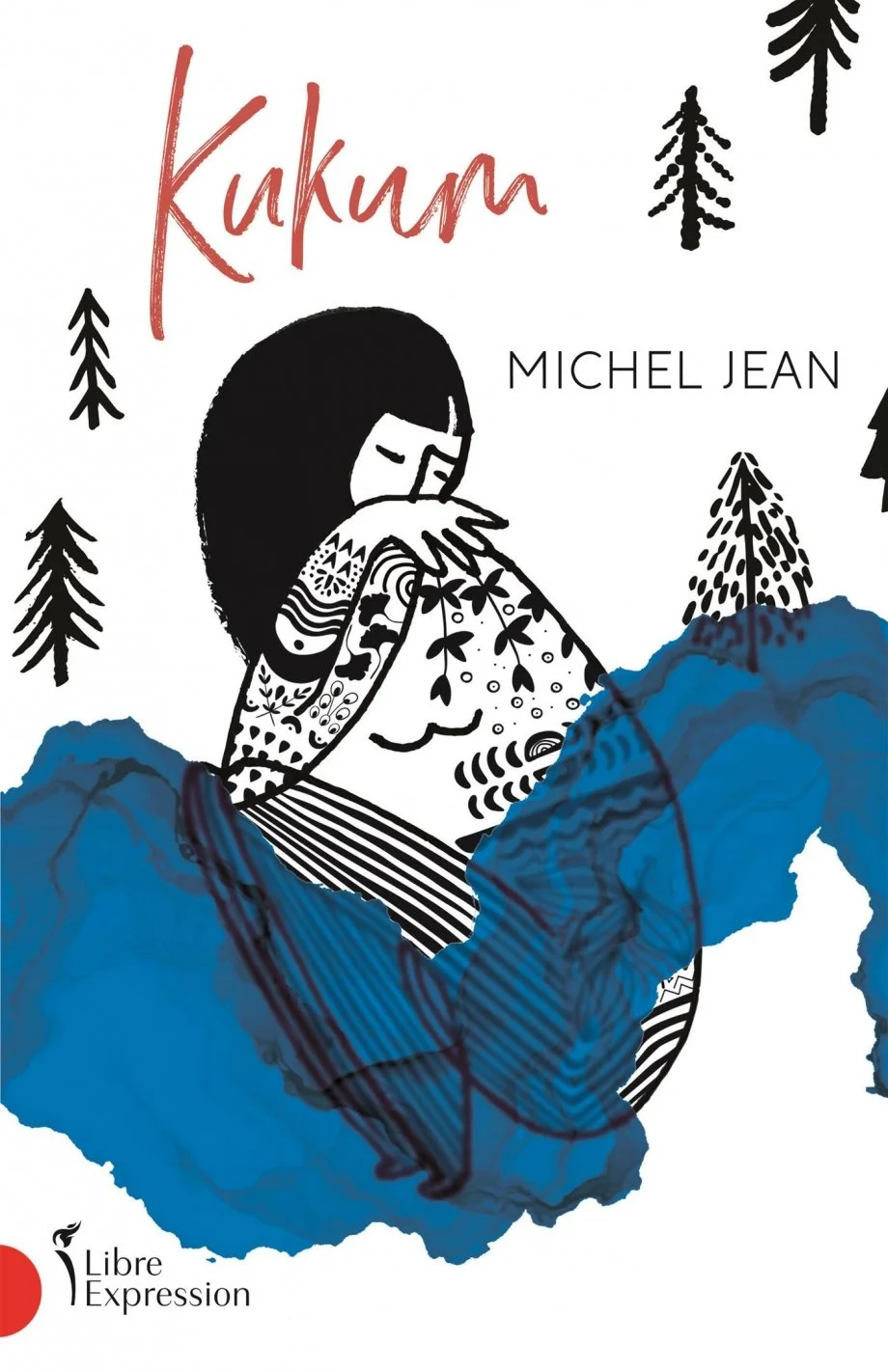
"Nous avons ramé jusque dans l'obscurité, sous une lune chétive dont la pâle lumière se perdait dans une eau d'encre."
Kukum by Michel Jean was one of the most powerful reading experiences of the year, and it quickly became a favourite among the group. The novel is set in Innu territory in Canada, and the landscape is much more than a setting: it becomes a character in its own right.
The first part of the book immerses us in a world shaped by the forest, the seasons, and a close relationship with nature. The winter landscape, the rivers, and the rhythm of daily life create a powerful atmosphere. We discover this world through Almanda, a deeply inspiring character who is determined, curious, and courageous and who finds her place within an Innu family and embraces a completely different way of life.
In the second part of the novel, the tone changes dramatically. The book portrays the painful transformations that prevent the Innu from continuing to live freely on their land. The loss of a way of life and the disruption of the relationship between people and territory are deeply moving.
Many of us felt very emotional while reading this book. It stayed with the group long after our discussions and led to some of the most thoughtful conversations of the year.
Level: B2
L’Arabe du futur de Riad Sattouf
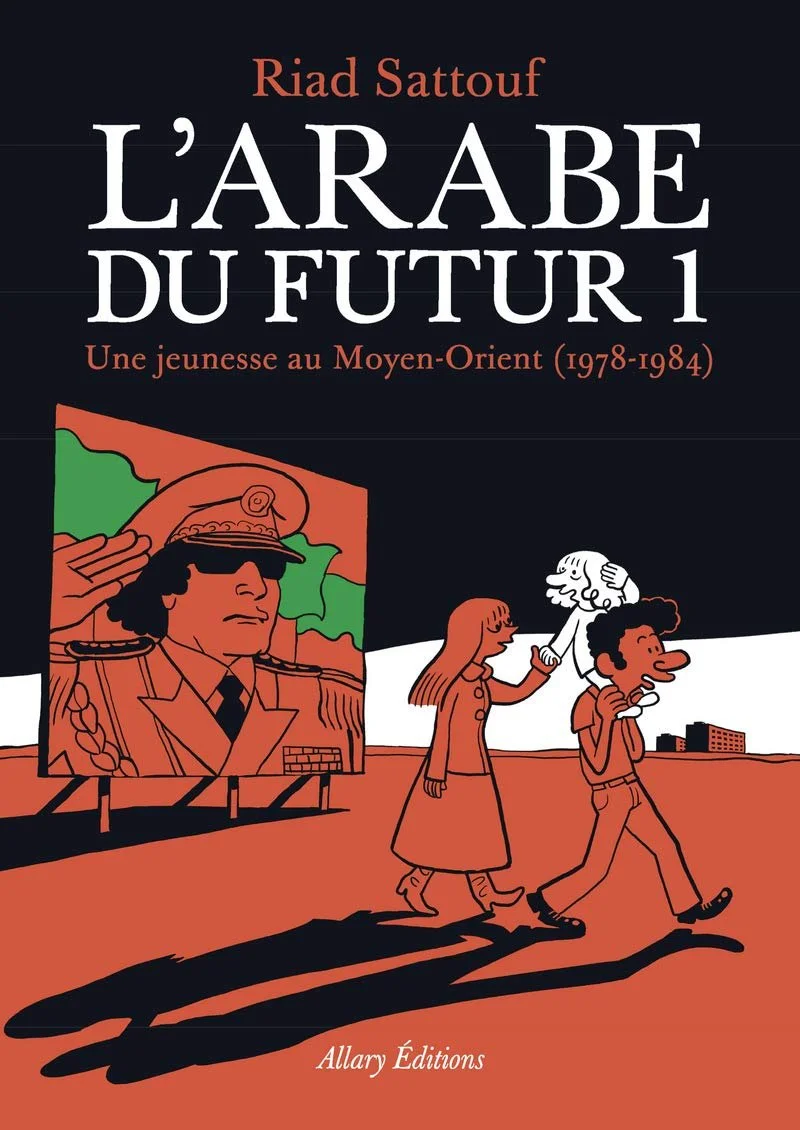
"Un homme n'a pas de racines, il a des pieds."
L’Arabe du futur by Riad Sattouf quickly became one of the group’s favourite reads. Although it is a graphic memoir, it generated discussions that were just as rich as those inspired by the novels we read.
Following Riad as he grows up between Libya, Syria, and France, we discover the world through a child’s eyes. His observations are often funny, sometimes surprising, and occasionally unsettling. Through this perspective, complex political and cultural realities emerge naturally, without ever feeling like a history lesson.
The graphic format also makes the book particularly enjoyable to read. The themes of identity, family, education, and belonging provide plenty of material for deep discussion.
Level: B1-B2
Other reads from the year
Alongside our three favourites, we explored several other works of contemporary Francophone literature. Each book brought a different voice, style, and perspective to our discussions.
Charlotte de David Foenkinos
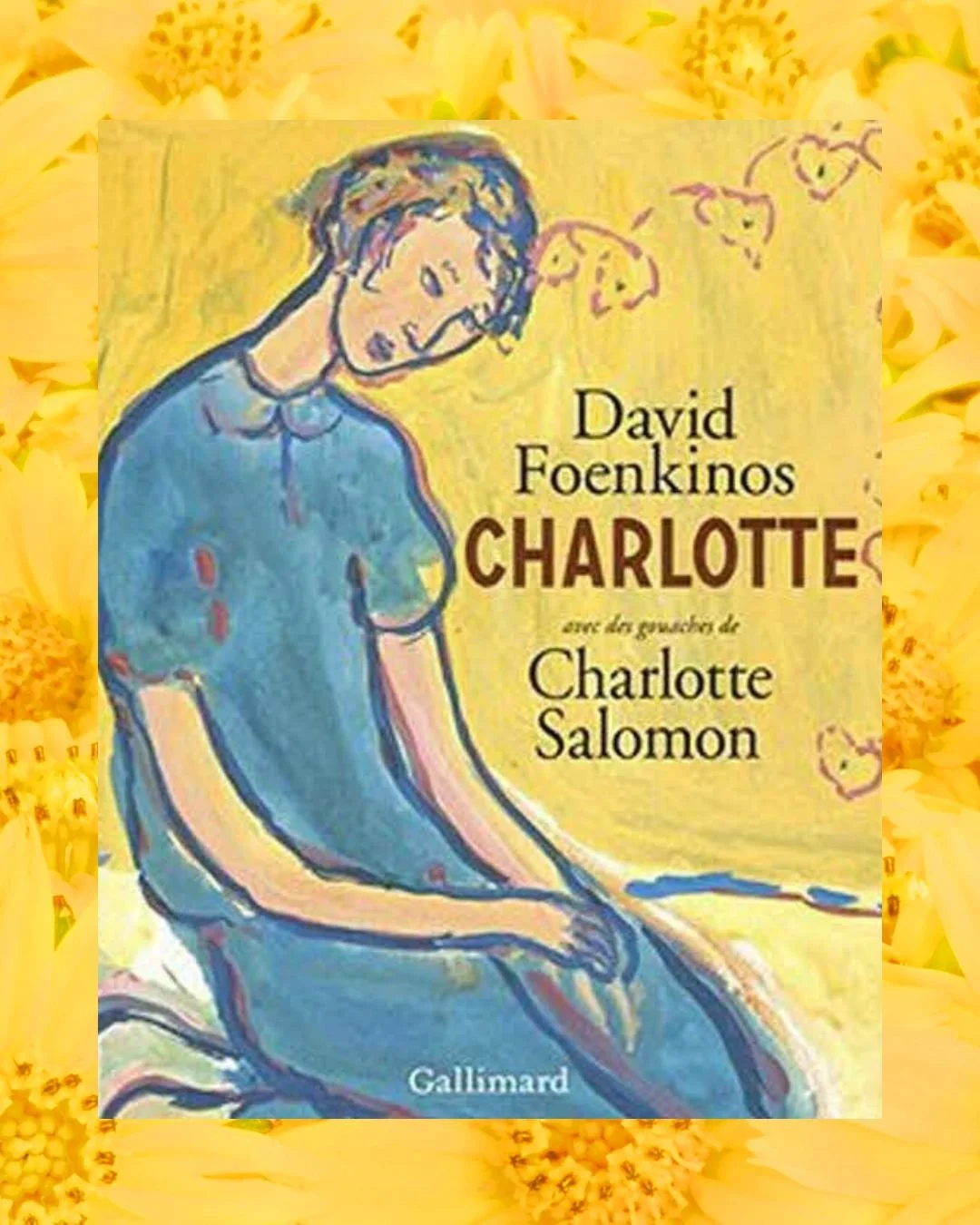
This novel tells the story of Charlotte Salomon, a young Jewish artist whose life was marked by exile, creativity, and the tragedy of the Second World War. Through a distinctive fragmented style, David Foenkinos explores memory, art, and the difficulty of representing a life destroyed by history.
Level: B1+ / B2
Au revoir là-haut de Pierre Lemaitre
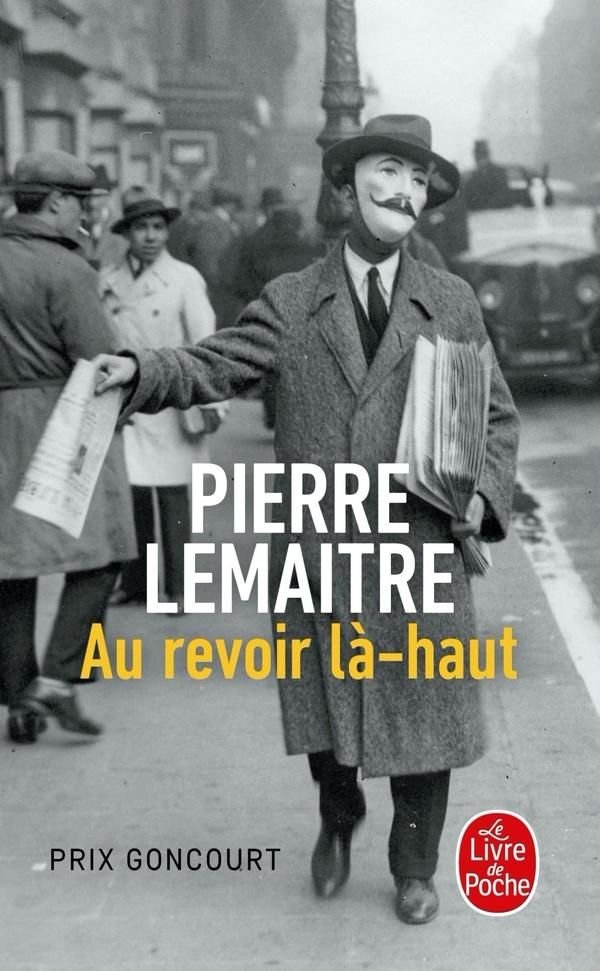
Set in the aftermath of the First World War, this novel follows two soldiers trying to rebuild their lives after the trauma of the trenches. Combining historical fiction, social criticism, and a gripping narrative, it led to discussions about memory, justice, and the consequences of war.
Level: B2
La petite dernière de Fatima Daas
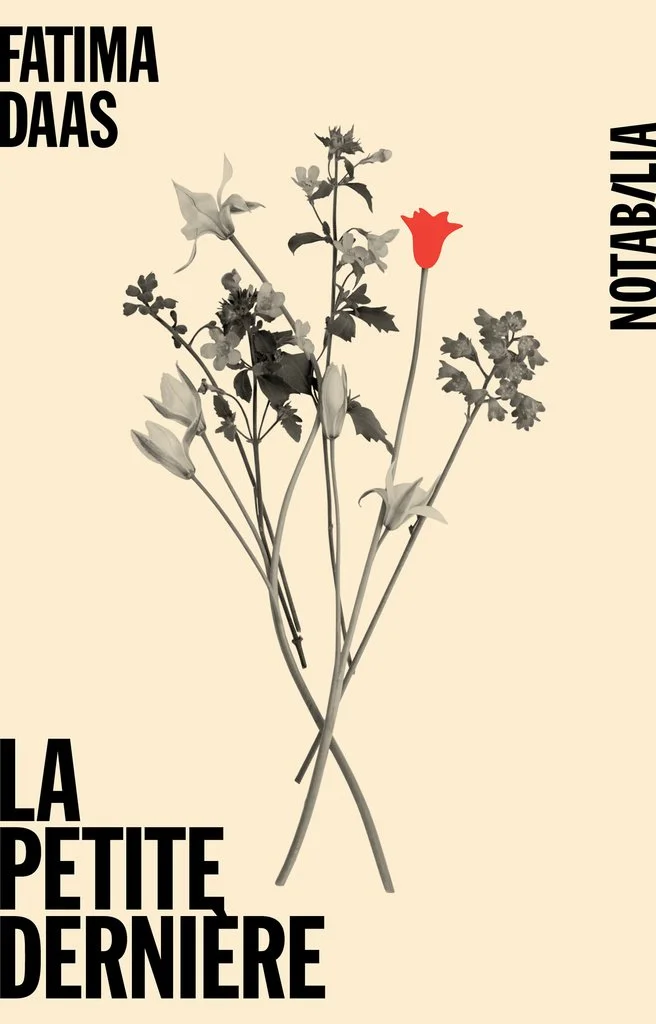
This intimate autobiographical novel follows a young woman growing up in a working-class immigrant family in France as she explores questions of identity, faith, sexuality, and belonging. The fragmented style creates a very personal and powerful voice.
Level: B1+ / B2
Joséphine Baker de José-Luis Bocquet de de Catel Muller
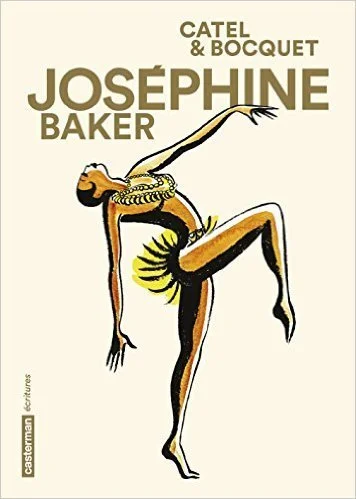
This graphic biography retraces the extraordinary life of Joséphine Baker, from her beginnings in the United States to her artistic success in France and her involvement in the Resistance. The combination of images and text makes the story accessible while opening up discussions about history, racism, and commitment.
Level: B1–B2
Why reading together matters
Reading alone and reading in a group are very different experiences.
In our Conversations Littéraires, meaning is never fixed. It evolves depending on what each reader notices and how they interpret the text. Some readers focus on the writing style, others on historical context, characters, or personal connections with the story.
Sometimes the most interesting moments come from different interpretations of the same passage. A discussion can reveal something that another reader had completely missed.
Reading in French also becomes less intimidating when it is shared. Difficult vocabulary can be explored in context, ideas can be developed together, and speaking about literature gradually becomes more natural.
Over the year, many participants discovered not only new authors and cultures, but also greater confidence in expressing complex ideas in French.
Looking ahead
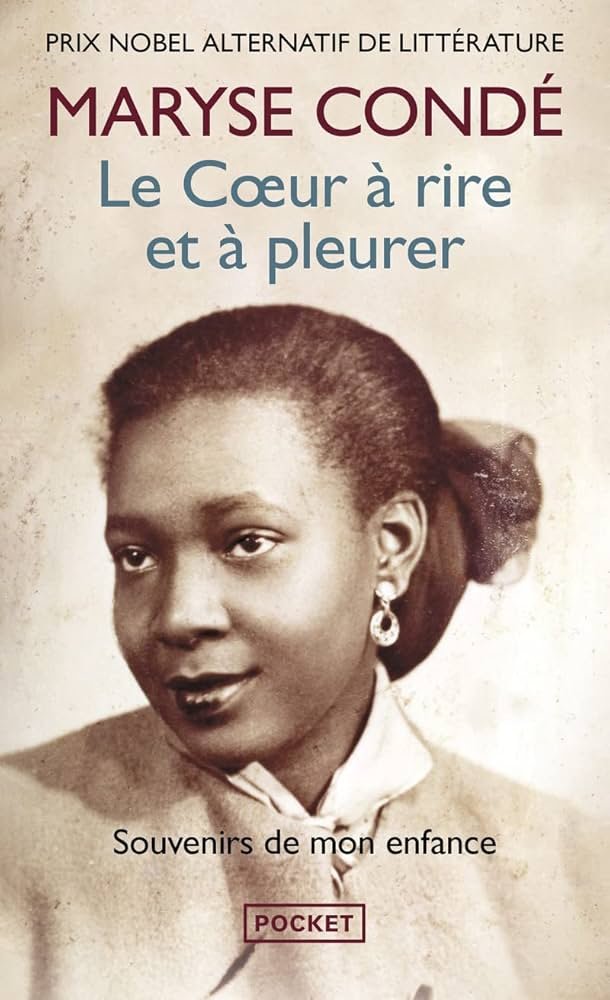
Our next reading will be Le cœur à rire et à pleurer, by the Guadeloupean writer Maryse Condé.
Set in Guadeloupe, this autobiographical work explores childhood, family, memory, and cultural identity, combining humour, tenderness, and reflection. It will be another opportunity to discover a different voice from the Francophone world.
From next season, our Conversations Littéraires will evolve into a new structure designed to better support learners at different stages of their French journey.
The book club will now be organised into two groups:
B2 group – Grow your confidence - Every Friday, 1 pm–2 pm (France time)
This group is designed for learners who want to develop their fluency and confidence in spoken French. We will read the same texts as the other group, but at a slower pace, taking more time to support vocabulary, expression, and participation in a relaxed and encouraging environment.
C1/C2 group – Challenge yourself - Every Friday, 2 pm–3 pm (France time)
This group is designed for confident speakers who want more challenge. Discussions will be more spontaneous, focusing on interpretation, themes, style, and cultural context.
Both groups will follow the same reading list, but the pace, level of support, and depth of discussion will be adapted to each group.
The 2026–2027 reading list
The 2026–2027 reading list is now ready and will be shared with everyone who would like to participate. It will take us across the Francophone world, exploring authors from France, Senegal, Canada, Tahiti, and Guadeloupe, with a particular emphasis on women writers.
I look forward to discovering these new voices together.
You May Also Like: